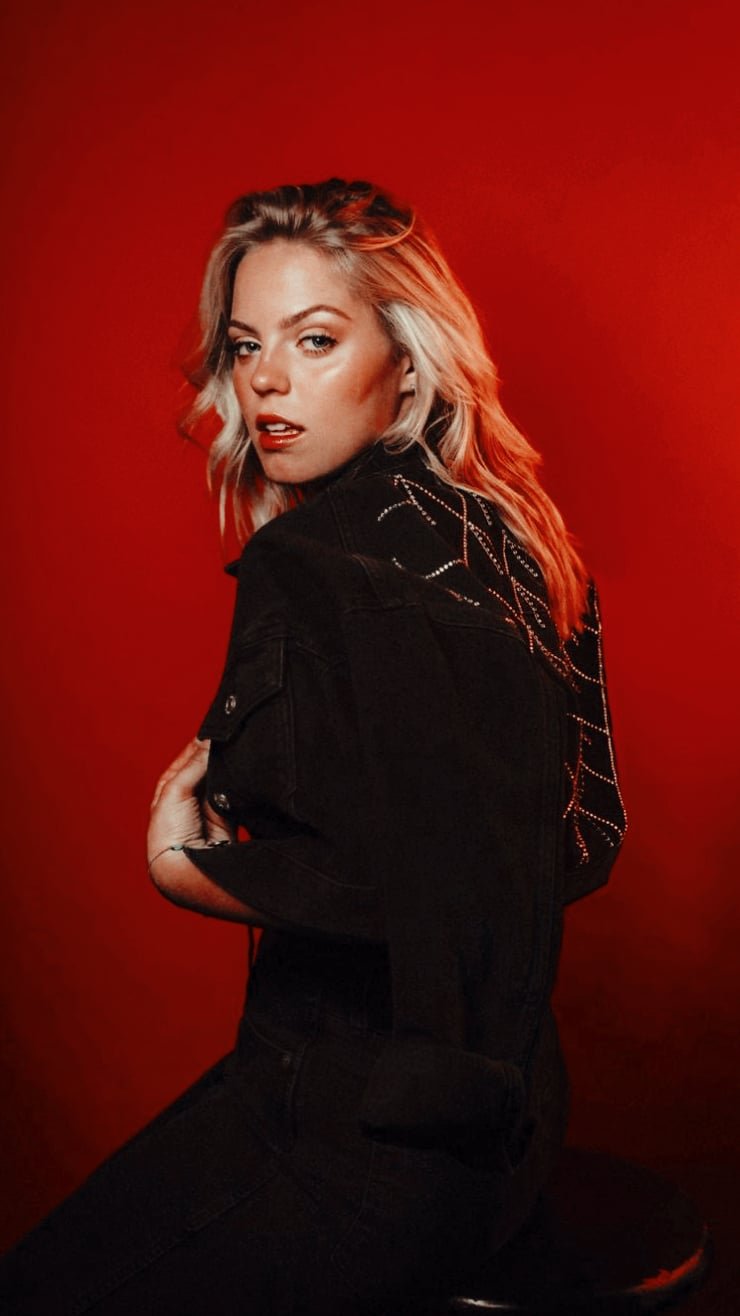
For the bigger picture and full context, make sure you read our main guide on Renee Rapp Sexy Pics: Stars Almost Topless Photo Stuns Fans.
The buzz around Renee Rapp's recent Instagram post—a nearly topless photo from a photoshoot—has sparked conversations about body image, confidence, and the evolving portrayal of celebrities in media. Whether you admire the boldness or feel a bit hesitant, understanding the context and implications of such a public display helps navigate similar decisions in your own life, online persona, and self-expression.
At a glance:
- Understand the factors that influence a celebrity's decision to engage in a revealing photoshoot.
- Learn about the potential ripple effects on body image perception, particularly for young fans.
- Explore the ethical considerations for both the artist and the audience in consuming such content.
- Discover strategies for navigating social media responsibly, especially in relation to body positivity and self-esteem.
The "Why" Behind a Revealing Photoshoot
What drives a celebrity like Renee Rapp to participate in a photoshoot that pushes boundaries? It's rarely a simple answer, often stemming from a complex mix of personal empowerment, artistic expression, and strategic career moves.
- Reclaiming Agency: For some performers, a revealing photoshoot can be a powerful act of reclaiming control over their image and body after years of being defined by external pressures. They are dictating the narrative.
- Artistic Vision: The collaboration with a photographer, stylist, and creative director can result in images that are seen as artistic statements. The focus may be less on nudity itself and more on conveying a specific mood, emotion, or message.
- Breaking Stereotypes: Challenging conventional beauty standards and promoting body positivity can be a motivating factor. Revealing photos can showcase diverse body types and encourage acceptance.
- Generating Buzz: Let's be real, controversy sells. A risqué photoshoot is almost guaranteed to generate media attention and increase visibility.
- Evolution of Personal Brand: Celebrities are constantly evolving their brand. A photoshoot like this could signal a shift in their image, marking a new phase in their career.
Renee Rapp, who has been open about her past struggles with eating disorders, may be using this opportunity to embrace and celebrate her body after a long journey of recovery. See Renee's viral photo for a look at the photoshoot stirring up the discussion.
Navigating the Potential Impact on Body Image
While Renee Rapp's intent may be positive, the impact of such a photoshoot on her audience, particularly young fans, is worth considering.
- Unrealistic Standards: Photoshoots, even seemingly candid ones, are often heavily edited and curated. This can create unrealistic expectations about beauty and body image. It's crucial to remember that what you see online is rarely the whole story.
- Comparison Traps: Social media often fuels a culture of comparison. Seeing a celebrity in a "perfect" photo can lead to feelings of inadequacy and low self-esteem.
- Vulnerability to Body Image Issues: Young people, especially those already struggling with body image, may be particularly vulnerable to the negative effects of idealized images.
- Promoting Healthy Discussion: On the positive side, these moments can spark important conversations about body positivity, self-acceptance, and the unrealistic standards often perpetuated by the media.
Example: Imagine a 16-year-old fan who admires Renee Rapp and struggles with her own body image. Seeing the photoshoot might initially trigger feelings of insecurity. However, if accompanied by open discussions about Rapp's journey, the pressure of social media, and the importance of self-love, the moment can turn into a positive learning experience.
Ethical Considerations: For the Artist and Audience
Engaging in or consuming revealing content comes with ethical responsibilities for both the artist and the audience.
For the Artist (Renee Rapp, in this case):
- Intent vs. Impact: It's crucial to consider the potential impact of the photoshoot on vulnerable audiences, regardless of the artist's intentions. Public figures have a responsibility to be mindful of their influence.
- Transparency and Authenticity: Being open about the use of editing and styling can help manage expectations and promote a more realistic portrayal of beauty.
- Promoting Body Positivity: Using the platform to advocate for body positivity and challenge unrealistic standards can counter potential negative effects.
For the Audience: - Critical Consumption: Approach social media content with a critical eye. Remember that images are often curated and edited.
- Self-Awareness: Pay attention to how certain content makes you feel. If it triggers negative emotions, consider limiting your exposure to it.
- Supporting Diverse Voices: Seek out and support content creators who promote body positivity, self-acceptance, and diverse representations of beauty.
- Respectful Engagement: Engage with online content in a respectful and mindful way. Avoid making hurtful comments or contributing to a culture of body shaming.
Practical Playbook: Navigating Social Media Responsibly
Here's a practical playbook for navigating social media in a way that promotes body positivity and self-esteem, particularly when confronted with content like Renee Rapp's photoshoot.
- Curate Your Feed:
- Unfollow Accounts: Unfollow accounts that trigger negative emotions or promote unrealistic beauty standards.
- Follow Positive Influencers: Follow accounts that promote body positivity, self-acceptance, and diverse representations of beauty.
- Practice Mindful Consumption:
- Limit Screen Time: Reduce the amount of time you spend on social media.
- Be Aware of Triggers: Pay attention to the types of content that trigger negative emotions.
- Take Breaks: Take breaks from social media when you feel overwhelmed or insecure.
- Engage in Self-Care:
- Focus on Inner Qualities: Shift your focus from physical appearance to inner qualities and accomplishments.
- Practice Self-Compassion: Treat yourself with kindness and understanding.
- Engage in Activities You Enjoy: Spend time doing things that make you feel good.
- Promote Body Positivity:
- Challenge Beauty Standards: Question and challenge unrealistic beauty standards.
- Celebrate Diversity: Celebrate the diversity of body types and appearances.
- Spread Positive Messages: Share positive messages about body image and self-acceptance.
Quick Start: A 3-Day Social Media Detox
Feeling overwhelmed? Try a 3-day social media detox:
- Day 1: Awareness. Track your social media usage. Notice which accounts or types of content make you feel good, and which make you feel bad.
- Day 2: Limit & Replace. Cut your social media time in half. Replace that time with activities you enjoy: reading, exercising, spending time with friends.
- Day 3: Unplug & Reflect. Take a complete break from social media. Reflect on how you feel without it. What did you miss? What didn't you miss?
After the detox, consciously re-evaluate the accounts you follow and your social media habits.
Quick Answers: Common Questions and Misconceptions
- Q: Isn't it hypocritical to talk about body positivity while also judging a celebrity's photoshoot?
- A: It's not about judging the individual, but rather critically examining the potential impact of the content on a broader audience. Body positivity encourages acceptance and self-love, but also promotes responsible media consumption.
- Q: Shouldn't celebrities be free to express themselves without worrying about the impact on others?
- A: Public figures have a significant platform and, therefore, a certain degree of responsibility. While freedom of expression is important, it's also crucial to be mindful of the potential influence on vulnerable audiences.
- Q: Is it wrong to admire a celebrity's body?
- A: Admiring someone's physique isn't inherently wrong, but it's important to remember that images are often carefully curated and may not reflect reality. Focus on admiring inner qualities and achievements as well.
- Q: How do I teach my children to navigate social media responsibly?
- A: Open communication is key. Talk to your children about the realities of social media, the impact of idealized images, and the importance of self-acceptance. Encourage critical thinking and mindful consumption.
Actionable Close
The conversation surrounding Renee Rapp's photoshoot is more than just celebrity gossip; it's a reflection of our evolving relationship with body image, social media, and self-expression. By understanding the complexities involved, we can navigate these issues more responsibly and promote a healthier, more positive online environment for ourselves and others. Take the time to evaluate your own social media consumption habits and make conscious choices that support your well-being and self-esteem.
